Bally's Corporation Secures $560 Million Financing Package for Ferry Point Casino Development
Written by Logan Russell · Oct 7, 2026

Bally's Corporation Secures $560 Million Financing Package for Ferry Point Casino Development
Bally's Corporation completed a $560 million financing package that includes $400 million in term loans funded at closing along with $160 million in delayed-draw commitments, and the arrangement was led by WhiteHawk Capital Partners to support the company's proposed casino resort in the Bronx, New York. The funds target pre-construction and development costs at the Ferry Point site, where plans call for approximately 3,500 slot machines, more than 200 table games, a 500-room hotel, an event center, restaurants, retail space, and an 18-hole golf course. This step follows Bally's receipt of one of three downstate New York casino licenses, though observers note that additional financing remains necessary before full construction can proceed.
Breakdown of the Financing Structure
The term loan portion reached $400 million at the time of closing while the delayed-draw commitments add another $160 million that can be accessed as project milestones are met, and this structure allows Bally's to manage cash flow during the early phases of site preparation. WhiteHawk Capital Partners arranged the package, which provides immediate capital for environmental reviews, permitting, and initial design work at Ferry Point. Data from similar large-scale gaming projects shows that such phased funding helps control costs before major construction begins, and the total package represents a significant early commitment toward the overall $4 billion estimated project cost.
Details of the Proposed Ferry Point Resort
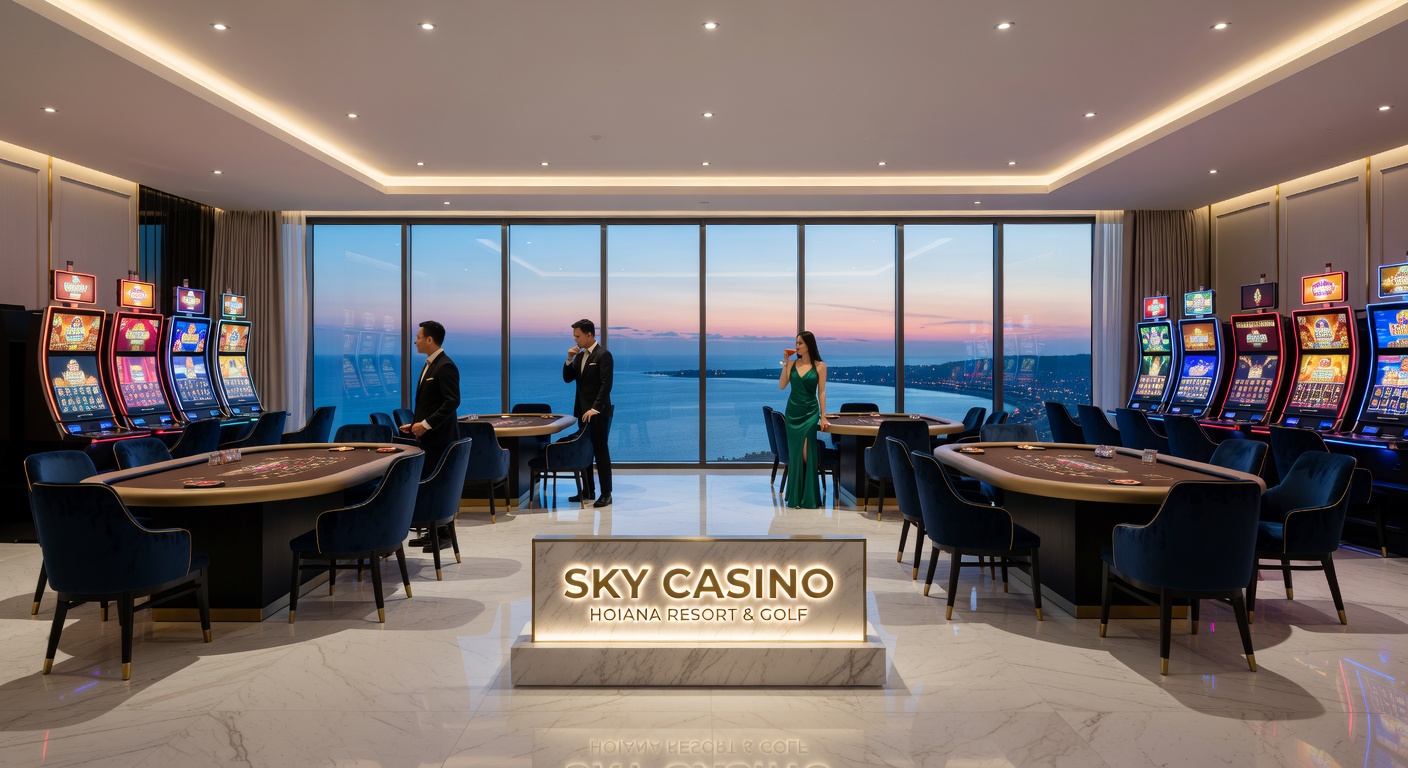
The development at Ferry Point is designed to combine gaming facilities with hospitality and recreational amenities, including roughly 3,500 slot machines and over 200 table games that form the core revenue generators. A 500-room hotel will offer lodging for visitors, while an event center is planned to host concerts, conferences, and other large gatherings. Additional elements include multiple restaurants, retail outlets, and an 18-hole golf course that extends the property's appeal beyond traditional casino offerings. These components together aim to create a comprehensive destination that draws from both local residents and tourists traveling to New York City.
License Background and Next Steps
Bally's obtained one of the three available downstate New York casino licenses, a designation that authorizes the company to pursue the Ferry Point project under state regulatory oversight. The license award marks a key regulatory milestone, yet the financing package announced covers only pre-construction and early development expenses. Project timelines indicate that full-scale building activity will require further capital raises, and Bally's continues to evaluate additional funding sources to reach the complete $4 billion investment target. In October 2026, updates on permitting progress and community consultations are expected to provide clearer timelines for when construction crews might break ground.
Those who have tracked similar integrated resort projects note that securing initial financing often triggers a series of parallel activities such as detailed engineering studies and supplier negotiations. The delayed-draw portion of the WhiteHawk-led package gives Bally's flexibility to match funding draws with specific deliverables, which reduces the risk of overcommitment during uncertain approval phases. State records show that the Ferry Point location was selected after an extensive bidding process that evaluated multiple sites across the downstate region.
Project Components and Their Roles
Slot machines and table games will occupy the primary gaming floor, while the hotel component provides overnight accommodations that extend visitor stays adn increase overall revenue potential. The event center is sized to accommodate large-scale entertainment productions, and the golf course adds an outdoor amenity that differentiates the resort from urban casino competitors. Restaurants and retail spaces are planned to create a mixed-use environment where guests can dine and shop without leaving the property. Each element received approval as part of the license application, and the combined facilities are projected to support thousands of construction and permanent jobs once operational.
Financing of this scale typically involves detailed covenants and reporting requirements, and the WhiteHawk arrangement includes standard protections for lenders while giving Bally's room to advance the project through the pre-construction stage. Additional rounds of funding will be needed before vertical construction starts, and company statements indicate ongoing discussions with other financial institutions and potential joint-venture partners.
Conclusion
The $560 million financing package positions Bally's to move forward with essential pre-construction work at Ferry Point while the company seeks the remaining capital required for the full $4 billion development. The project encompasses a broad mix of gaming, lodging, entertainment, dining, retail, and recreation that aligns with the terms of the downstate New York casino license. As October 2026 approaches, further announcements on funding progress and regulatory approvals will determine when the next major phase of construction begins.