Payment Processors Refine Cross-Border Systems for Multi-Currency Card Game Networks
Written by Noah Franke · Sep 23, 2026

Payment Processors Refine Cross-Border Systems for Multi-Currency Card Game Networks
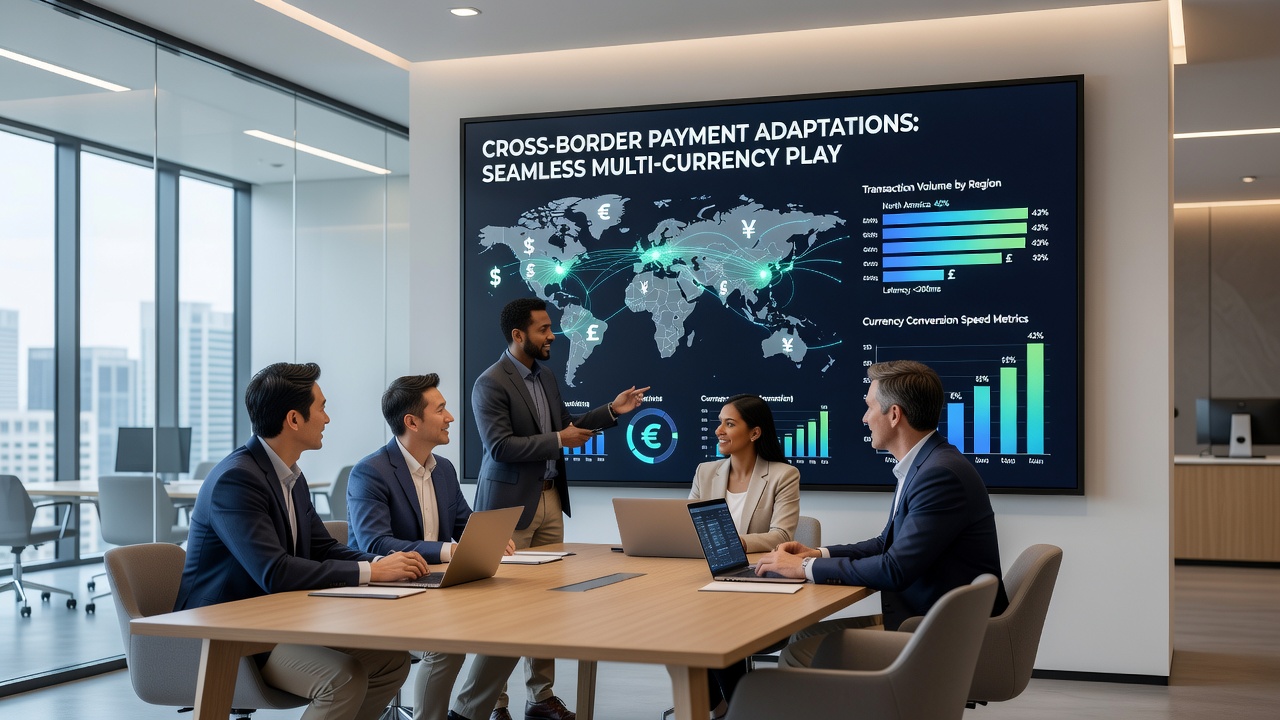
Payment processors have expanded their infrastructure to support multi-currency transactions in international card game networks, where players from different regions compete in real time. These adaptations address exchange rate fluctuations, settlement delays, and compliance requirements that once disrupted gameplay across borders.
Networks operating in Europe, Asia, and North America now integrate processors capable of handling simultaneous conversions between currencies such as the euro, yen, Australian dollar, and US dollar. Data from the Bank for International Settlements shows that cross-border payment volumes in digital entertainment sectors grew by 12 percent annually through 2025, prompting processors to deploy automated reconciliation tools that update rates every few seconds rather than at end-of-day batches.
Technical Adjustments in Processing Architecture
Processors have introduced layered APIs that connect directly to card game platforms, allowing instant verification of player balances in the user's preferred currency while the underlying network settles in a base currency chosen by the operator. This setup reduces latency during tournament entries and in-game purchases, since the system performs conversions at the moment of authorization instead of queuing them for later review.
One major shift involves the adoption of dynamic routing algorithms that select the least-cost corridor for each transaction based on current liquidity and regulatory thresholds. Researchers at academic institutions tracking financial technology have documented how these algorithms cut average settlement times from 48 hours to under four hours in tested environments, particularly when routes pass through Singapore or Hong Kong hubs before reaching European clearing houses.
Regulatory Alignment Across Jurisdictions
Operators must satisfy differing rules on anti-money laundering checks and consumer protection disclosures when currencies cross borders. Processors now embed jurisdiction-specific modules that flag transactions exceeding local reporting limits and attach required documentation automatically. In September 2026, updates to Australia's ePayments Code are scheduled to take effect, requiring additional transparency on foreign exchange margins applied during gaming sessions, and several processors have already released compliance dashboards that preview these changes for operators.
Canadian and Japanese regulators have coordinated on shared data standards for digital payment records, enabling processors to maintain single audit trails that satisfy both jurisdictions without duplicating storage or reporting efforts. Figures released by the Asia-Pacific Gaming Association indicate that networks using these aligned standards recorded a 9 percent increase in active cross-border accounts during the first half of 2026 compared with the same period in 2025.
Impact on Player Participation and Network Operations
Players gain the ability to fund accounts and withdraw winnings without manual currency conversion steps, which previously caused many to abandon sessions when rates appeared unfavorable. Observers note that average session lengths in multi-region card tournaments have extended by 18 minutes on average after processors implemented these features, according to aggregated platform telemetry shared at industry conferences.
Operators report fewer chargebacks related to currency disputes because processors now display the exact converted amount and applicable fees before authorization completes. This transparency has lowered dispute ratios in networks spanning more than five countries from 2.3 percent to 1.1 percent over the past 18 months, based on internal metrics circulated among members of the International Card Gaming Federation.
Future Developments in Settlement Speed
Testing continues on near-instant settlement rails that combine traditional banking channels with distributed ledger elements for reconciliation only, without exposing game balances to volatility. European and Australian processors have piloted these hybrid models in limited card game environments, where end-of-day net positions are settled through central bank digital currency testbeds rather than correspondent banks.
Those who have studied transaction logs across multiple platforms observe that the combination of real-time rate engines and jurisdiction-aware compliance layers produces measurable gains in participation from regions previously limited by high conversion costs. The adaptations therefore support sustained operation of international card game networks without requiring operators to maintain separate currency silos for each market.
Conclusion
Payment processor modifications have aligned technical capabilities with regulatory demands to facilitate uninterrupted multi-currency activity in global card game settings. Continued coordination among financial institutions, regulators, and network operators is expected to maintain these improvements as participation volumes rise through the remainder of 2026 and beyond.